
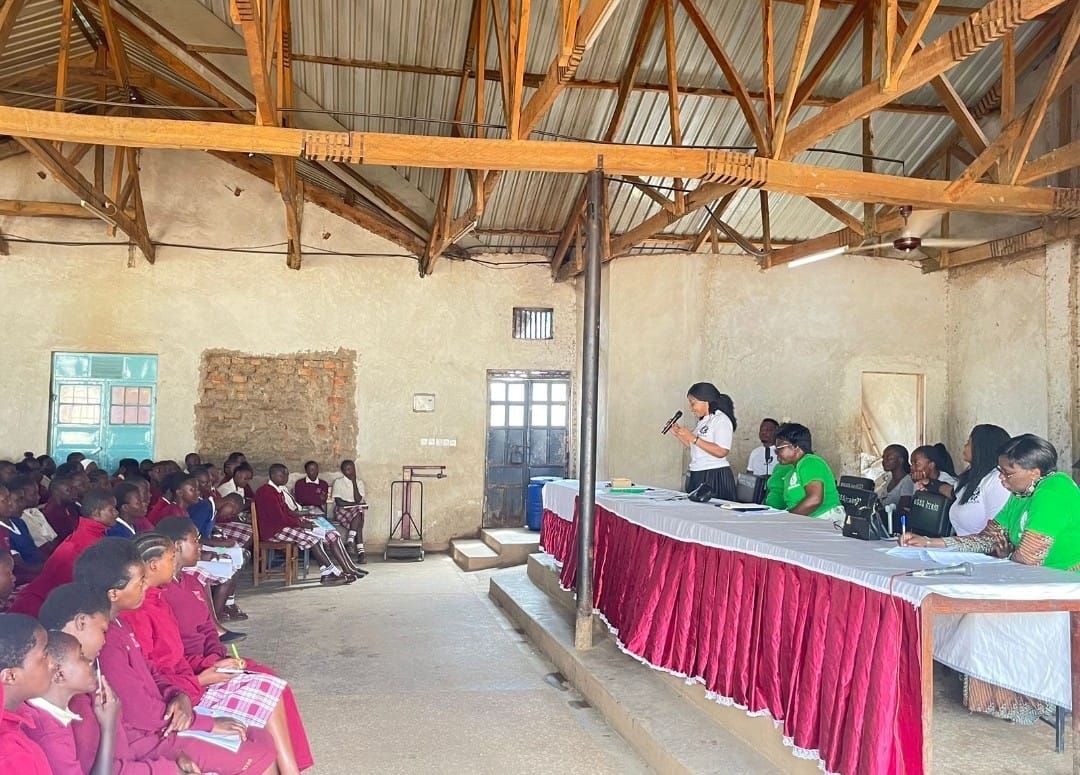
We develop affordable, accessible substance abuse services by putting individuals and families with lived experiences at the centre of our interventions.
We empower individuals affected by substance abuse to become agents of change in their own communities. This model guides them from addiction to recovery and leadership through a structured four-step process, emphasizing the power of peer support and professional guidance.
Our Community-Based rehabilitation services are designed to transform recovering individuals into resilient champions, known as Shujaa, through a structured process:
We provide immediate support to individuals and families through community outreach, support groups, and counseling, ensuring they receive the necessary care and guidance to start their recovery journey.
Individuals, now on the path to recovery, are equipped with essential counseling and mentorship skills to become peer champions, or Shujaa.
The Shujaa deliver effective support to their peers through community support groups and one-on-one mentorship, creating a powerful, understanding, and sustainable network of recovery.
Shujaa can identify and escalate complex cases requiring clinical intervention to MWASA’s network of healthcare professionals, ensuring everyone receives the appropriate level of care.
Our support services are targeted at youth and adults affected by substance abuse in Western Kenya. Support is offered on a tiered model and is free for vulnerable and economically challenged groups.

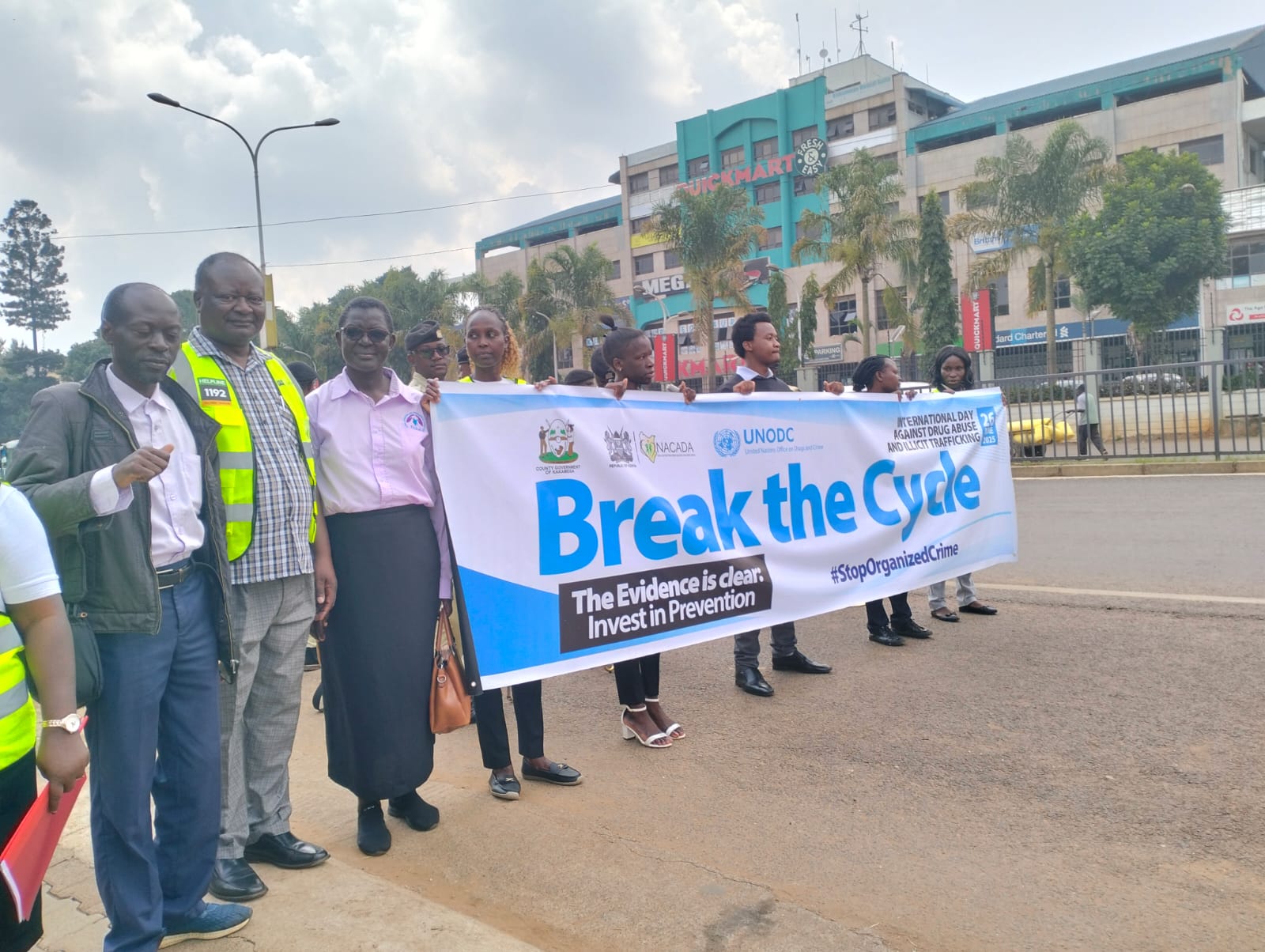
The Peer-Based Intervention Model employed by MWASA is underpinned by robust scientific evidence, highlighting its effectiveness in sustaining recovery and reducing relapse. Our model is designed to leverage community support to enhance outcomes, and it is supported by the following key findings
Peer support is strongly associated with increased treatment retention, reduced relapse rates, and improved social functioning (Source: Substance Abuse and Mental Health Services Administration - SAMHSA).
Studies show that peer-based models effectively reduce the shame and isolation associated with substance use disorders, promoting greater engagement with support services (Source: Journal of Groups in Addiction & Recovery).
The peer-support model is a cost-effective and scalable strategy for communities with limited access to formal healthcare infrastructure, making it ideal for our target regions (Source: World Health Organization - WHO).
By training individuals from within the community, we create a self-perpetuating system of support that remains active and accessible long after initial intervention.
By integrating these evidence-based principles, the MWASA Circle ensures that our approach is both effective and deeply rooted in the community, helping to foster lasting recovery and resilience.