News & Updates

Latest stories and news from MWASA.

School outreach program
July 2026

MWASA Reaches 50+ Schools in Kakamega County

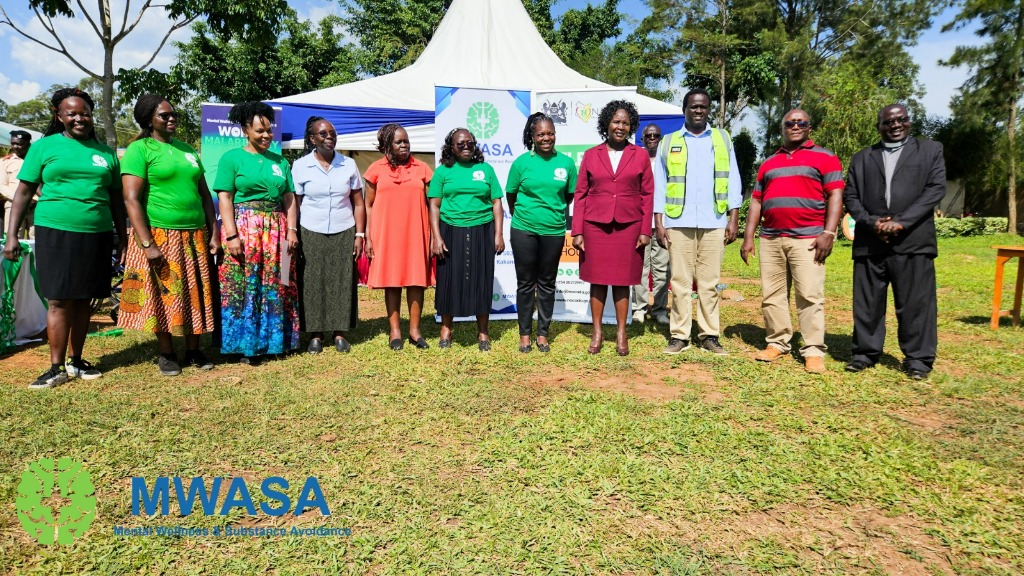
Our school outreach program recently achieved a monumental milestone in our fight to empower the next generation. MWASA has successfully visited over 50 secondary schools and primary schools across Kakamega County, bringing vital mental health and substance abuse awareness directly to students.

During these visits, our dedicated team of counselors and peer educators conduct interactive sessions designed to break the stigma surrounding mental health. We focus on teaching students emotional regulation, stress management, and the profound dangers of early substance abuse. The response has been incredibly positive, with students actively participating and asking critical questions about mental well-being in a safe, non-judgmental environment.

One of the most impactful outcomes of this outreach has been the formation of student-led mental health clubs. These clubs act as ongoing safe spaces within the schools, where peers can support each other, discuss challenges, and refer serious cases to our professional counselors. By empowering students to become advocates within their own schools, we are creating a sustainable culture of care and vigilance.

With an estimated impact of over 2,500 students reached directly, MWASA remains committed to expanding this initiative. We believe that early intervention and education are the most powerful tools in preventing substance abuse and building a resilient, mentally healthy youth population in Western Kenya.
Youth mental health discussion
June 2026

Understanding Youth Mental Health in Western Kenya

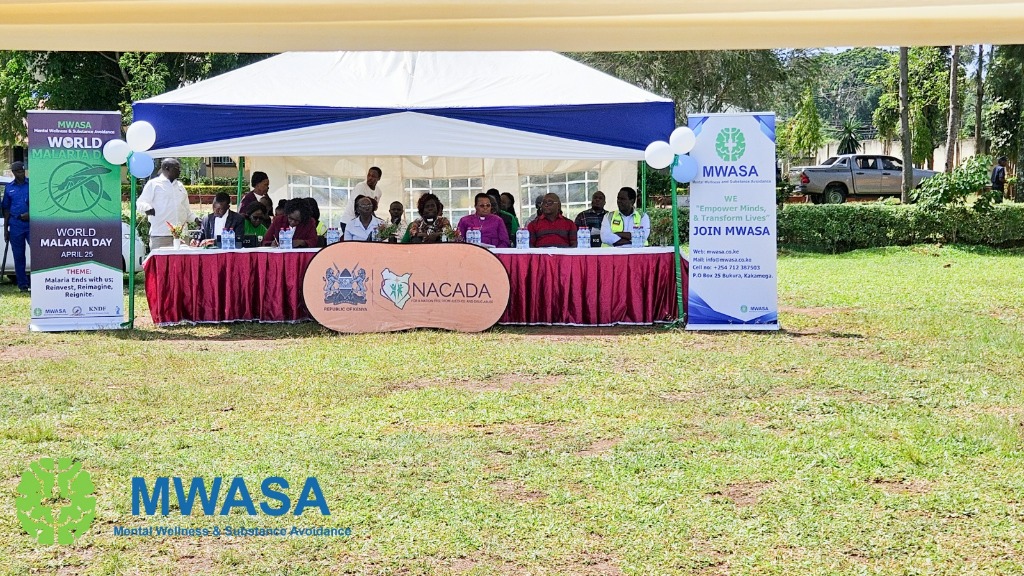
Western Kenya is currently facing a silent but growing mental health crisis among its youth. Factors such as economic hardship, high unemployment rates, and immense academic pressure are pushing young people to the brink. Despite the increasing prevalence of anxiety and depression, mental health remains heavily stigmatized in many local communities, often viewed as a personal failing or spiritual issue rather than a treatable medical condition.

This deep-rooted stigma creates significant barriers to treatment. Many young people suffer in silence, fearing judgment or ostracization from their families and peers. Consequently, untreated mental health struggles frequently lead to negative coping mechanisms, most notably substance abuse. The correlation between poor mental well-being and the rise in alcohol and drug dependency among the youth is a stark reality that requires urgent, compassionate intervention.

MWASA is actively working to dismantle these barriers through comprehensive community education and accessible support systems. By hosting community dialogues, utilizing local radio platforms like Mulembe FM, and providing our 24/7 Crisis Helpline, we are normalizing conversations around mental wellness. We want every young person in Kakamega, Vihiga, Bungoma, and Busia counties to know that seeking help is a sign of strength, not weakness.

Our approach integrates culturally sensitive counseling with modern mental health practices. By training community leaders and involving parents in the conversation, we are slowly transforming the societal landscape. Our goal is to create an environment where mental health is prioritized, and every young person has access to the care and understanding they need to thrive.

Shujaa peer recovery circle
May 2026

How Community Support Transforms Recovery

Recovery from substance abuse is rarely a journey that can be successfully navigated alone. While clinical treatments and professional counseling are crucial components, the long-term success of an individual often hinges on the support they receive from their immediate environment. At MWASA, we have seen firsthand how community-based approaches fundamentally transform the recovery process, making it more sustainable and deeply rooted in personal connection.

Our flagship Shujaa (Hero) Peer Recovery Circles are at the heart of this philosophy. These circles provide a safe, confidential space where individuals in recovery can share their struggles, victories, and coping strategies with others who truly understand their experiences. Unlike clinical-only settings, which can sometimes feel clinical and detached, Shujaa circles foster a sense of belonging and mutual accountability. Members draw strength from one another, proving that recovery is possible.

Take the story of 'Kev' (name changed for privacy), a 22-year-old from Bukura who struggled with alcohol dependency for three years. After numerous failed attempts to quit on his own, Kev joined a local Shujaa circle. Surrounded by peers who did not judge him, he found the courage to confront the underlying trauma driving his addiction. Today, Kev is not only sober but serves as a peer mentor, guiding new members through their own recovery journeys. His story is a testament to the healing power of shared experience.

By empowering individuals to support one another, community-led initiatives build resilience that lasts far beyond formal treatment programs. MWASA will continue to champion the Shujaa circles and other community wellness programs, ensuring that anyone on the path to recovery in Western Kenya has a steadfast network of support to rely on every step of the way.